A New Frontier for Industry: What Israel’s Recognition of Somaliland Means for Global Investment and Mining
12.26.2025
8 min
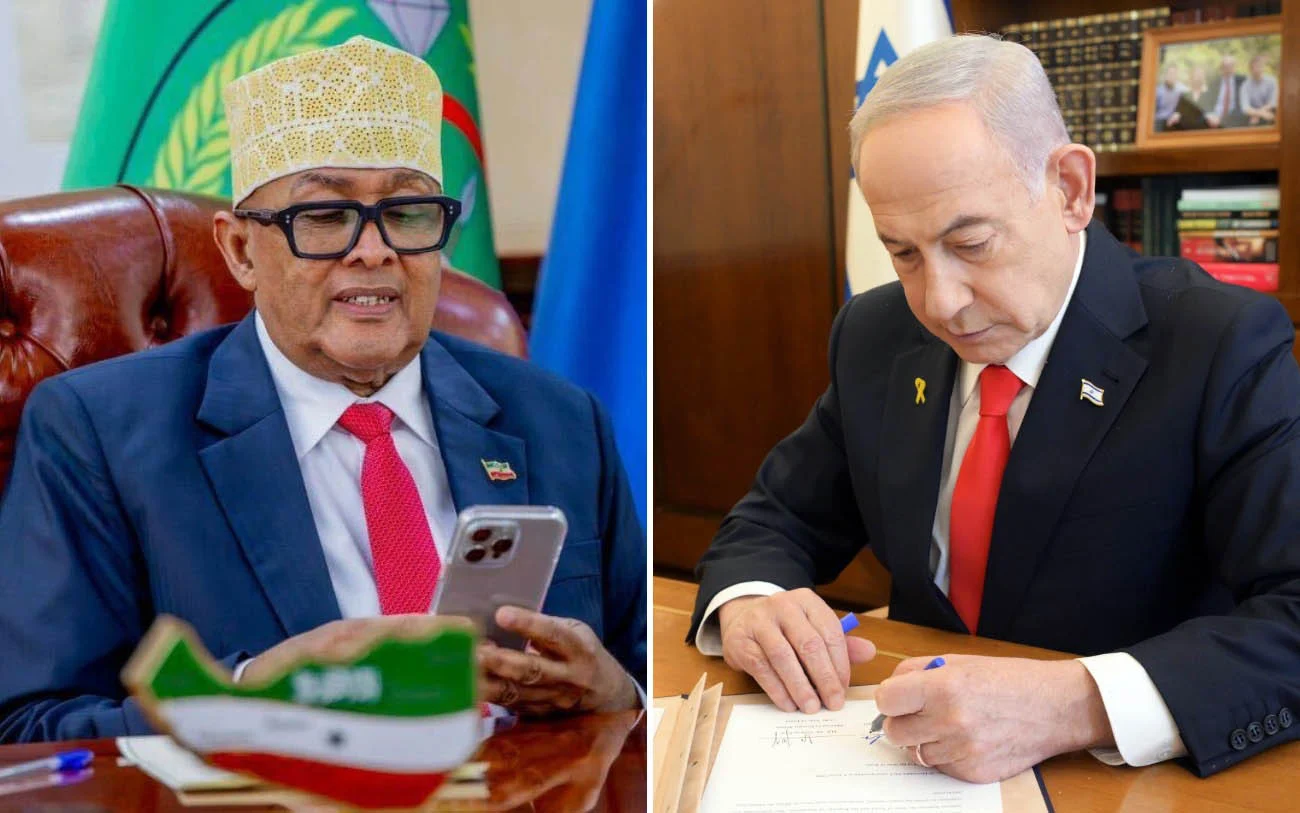
In a historic move that is set to reshape the economic landscape of the Horn of Africa, Israel has become the first UN member state to formally recognize the Republic of Somaliland. For decades, Somaliland has been a stable, democratic, yet unrecognized entity, effectively cutting it off from major international financial markets.
This diplomatic breakthrough is not just a political headline; it is a signal flare for global industry. For investors and industrial stakeholders—particularly in mining and infrastructure—this development unlocks a region that has long been “open for business” but closed to the mechanisms of global finance.
Here is why this development is a game-changer for investment, the mining sector, and regional stability.
1. Unlocking Institutional Investment
The single biggest barrier to doing business in Somaliland has been the lack of sovereign recognition. Without it, international insurance, World Bank loans, and direct foreign investment (FDI) faced insurmountable legal hurdles.
Israel’s recognition breaks this deadlock. It paves the way for:
Access to International Banking: Commercial transactions can now potentially flow through legitimate banking channels rather than informal networks, reducing risk for foreign corporations.
Infrastructure Financing: With diplomatic ties come development deals. We expect to see accelerated modernization of the Port of Berbera, a key logistics hub already backed by DP World, which serves as a critical gateway for landlocked Ethiopia and the broader region.
For AMG Industries and our partners, this means the risk premium on entering this market is set to drop significantly.
2. The Mining Frontier: Critical Minerals and Technology
Somaliland is geologically rich but significantly under-explored. The region is known to host deposits of rare earth elements, copper, iron ore, and precious metals—resources that are increasingly vital for the global energy transition and high-tech manufacturing.
Israel is a global leader in agri-tech and water management, but their industrial partnership is likely to extend into resource extraction technology.
Technology Transfer: Israeli expertise in remote sensing and geological surveying could rapidly map Somaliland’s untapped resources.
Strategic Supply Chains: As Western nations seek to diversify supply chains for critical minerals away from monopolistic competitors, Somaliland offers a friendly, strategically located alternative.
Legitimacy for Leases: Recognition provides a stronger legal framework for mining concessions, giving exploration companies the security of tenure they need to commit significant capital.
3. Reinforcing Stability in a Volatile Region
Stability is the bedrock of industrial growth. Somaliland has distinguished itself from its neighbors by maintaining a functioning democracy, holding regular elections, and operating a dedicated security force for over 30 years.
Israel’s recognition—and the security cooperation that comes with it—fortifies this stability.
Maritime Security: Located on the Gulf of Aden, Somaliland is crucial for securing the Bab el-Mandeb Strait. Enhanced security cooperation will likely reduce piracy and threat risks for shipping logistics, a major plus for any industry relying on Red Sea transport.
A "Trusted Partner" Status: For Western-aligned businesses, Somaliland is moving from a "gray zone" to a strategic ally. This alignment creates a predictable environment for long-term industrial planning.
The AMG Takeaway
The recognition of Somaliland by a major technology and military power like Israel is a decisive moment. It transforms Somaliland from a high-risk outlier into a frontier market with immense upside.
For the mining and heavy industry sectors, the first-mover advantage is real. We are looking at a region hungry for development, rich in resources, and now, finally, entering the fold of the international community.