The Washington Pivot: Why the U.S. is Betting Big on Somaliland’s Stability and Resources
11.05.25
7 mins
For years, Washington’s policy in the Horn of Africa has been defined by caution. But as global competition heats up, the script is flipping. Following Israel's historic recognition of Somaliland, the United States is rapidly accelerating its own engagement, driven by a bipartisan push to secure a reliable, democratic partner in one of the world’s most critical maritime corridors.
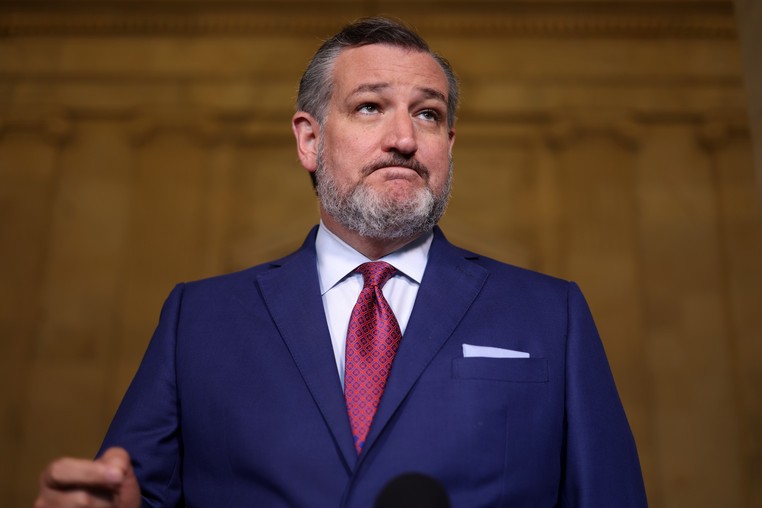
The clearest signal of this shift came from Senator Ted Cruz (R-Texas), Chairman of the Senate Foreign Relations Subcommittee on Africa and Global Health Policy. In a decisive letter to the President, Senator Cruz laid out the strategic imperative for recognizing Somaliland, stating:
“Somaliland has emerged as a critical security and diplomatic partner for the United States... It is strategically located along the Gulf of Aden, putting it near one of the world's busiest maritime corridors. It possesses capable armed forces and contributes to regional counterterrorism and piracy operations.”
For stakeholders at AMG Industries, this political momentum translates into tangible industrial opportunities. Here is why American interest is surging and what it means for the mining and investment sectors.
1. Countering Influence with Commercial Partnerships
Senator Cruz highlighted a key geopolitical driver: the pressure Somaliland faces from the Chinese Communist Party (CCP) due to its ties with Taiwan. Washington views Somaliland not just as a partner, but as a bulwark against adversarial influence in Africa.
This alignment is opening doors for Western companies. To solidify this partnership, the U.S. is likely to encourage American firms to “fill the gap” in infrastructure and development, providing:
Political Risk Insurance: Expect new instruments from the U.S. Development Finance Corporation (DFC) to support American businesses entering the market.
Preferential Trade Agreements: Discussions are moving toward integrating Somaliland into frameworks that could rival AGOA (African Growth and Opportunity Act) benefits, specifically for reliable allies.
2. The Race for Strategic Minerals
The U.S. is actively seeking to diversify its supply chain for critical minerals, and Somaliland’s geology is a perfect match. The region holds untapped reserves of lithium, tin, and rare earth elements—all essential for the battery and tech sectors.
Senator Cruz noted Somaliland’s willingness to engage in “economy and trade partnerships.” For the mining sector, this signals a move toward Western-standard mining codes. Unlike the opaque dealings often found in neighboring regions, Somaliland is actively courting Western mining majors with the promise of transparent contracts and security guarantees backed by a potential U.S. security framework.
3. Stability as an Asset
In his letter, Senator Cruz emphasized that Somaliland "contributes to regional counterterrorism and piracy operations." For investors, security is the bottom line. Somaliland’s ability to police its own territory and coastline without foreign peacekeepers sets it apart.
Increased U.S. cooperation will likely include:
Modernization of Security Forces: Training and equipment that further insulate industrial projects from regional instability.
Maritime Security: Enhanced U.S. Navy patrols near the Port of Berbera, ensuring the safe export of commodities.
The AMG Outlook
The recognition of Somaliland is no longer a "if" but a "when." Senator Cruz’s urging to grant "the status of a state" to maximize benefits for American national security is a bellwether for policy changes to come.
For the industrial sector, the window to establish a foothold before the "gold rush" of formal U.S. recognition is narrowing. Somaliland is poised to become the premier destination for Western capital in East Africa.